Aquarium planning

Aquarium stocking planner

Use water volume as one input in a broader stocking checklist instead of forcing every species through one formula.

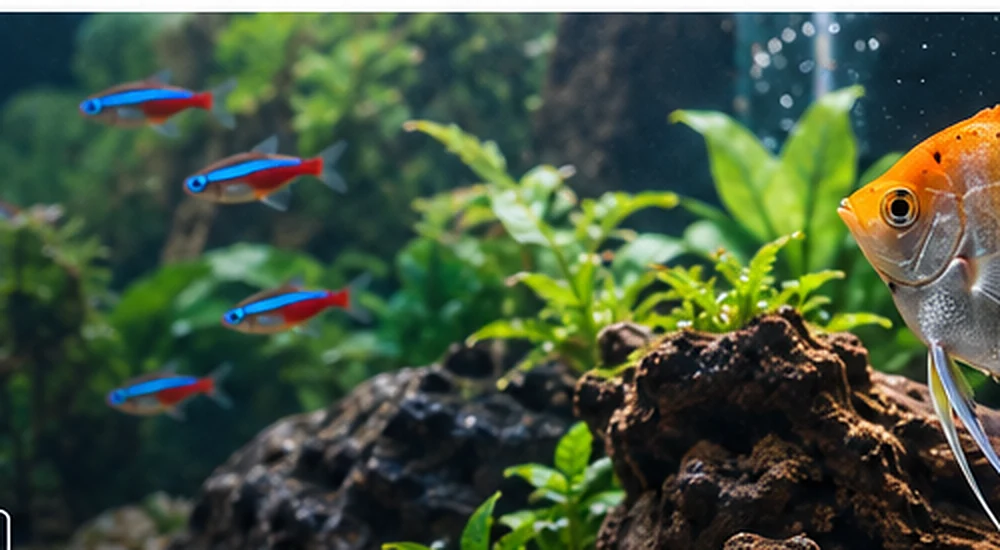
Photorealistic image of small tropical fish swimming through a planted aquascape

Why this planner refuses to output “12 fish”

Planning status

There is no responsible universal conversion from litres to a precise fish count. Species of the same length can have different body mass, waste output, swimming behaviour, territorial needs and social grouping requirements.

What to resolve first

A more useful sequence is to calculate actual water volume, check adult size and grouping needs, verify temperature and water-chemistry compatibility, confirm the biological filter is established and leave capacity margin for real maintenance variation.

Photorealistic image of small tropical fish swimming through a planted aquascape

Stocking is a welfare and compatibility question as well as a volume question.

External guidance

The RSPCA describes volume-per-length figures as guidelines rather than precise rules because water quality is affected by filtration, temperature, water source and maintenance. That is why this page treats volume as one input rather than a final stocking answer.

Read RSPCA aquarium guidance →

When to stop using the tool

Once the planning checks are complete, move to reliable species care sheets, a knowledgeable aquatics retailer and appropriate veterinary or specialist advice where health or welfare is uncertain.

Why there is no responsible single “fish per litre” answer

Fish differ in adult size, body shape, waste production, activity, social behaviour and territory. Two species that are the same length can place very different demands on an aquarium. Some must be kept in groups, some need long swimming space, and some are incompatible even when the raw litres look generous.

The RSPCA explicitly treats simple volume-per-length rules as guidance rather than a complete stocking method. This planner therefore checks whether the biological filter is established, whether species research has been done and whether filtration/maintenance capacity has been considered, rather than inventing a precise fish count.
What to verify species by species

  • Adult size rather than shop size.
  • Minimum group or shoal size where relevant.
  • Territorial and aggression behaviour.
  • Temperature and water-chemistry compatibility.
  • Swimming length, footprint and hiding-space needs.
  • Whether the aquarium is cycled and water testing is satisfactory.

Once those questions are answered, litres become one useful constraint among several rather than the whole decision.