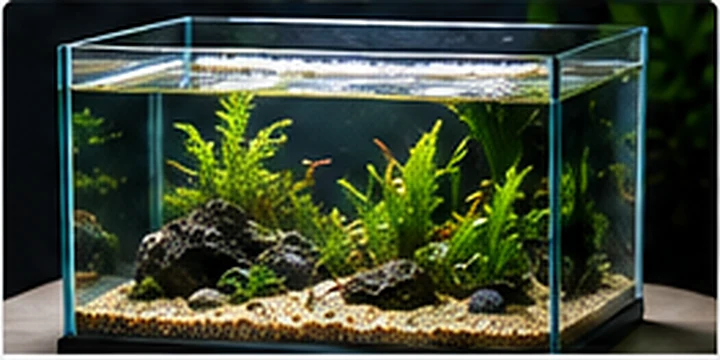
Tank volume
Litres, UK/US gallons and usable-water scenarios from real internal dimensions.
Use calculator →Work out real water volume, water-change litres, full setup weight, substrate quantity, filter flow, heater reference sizing and running cost — then use the guides to understand what the number means.
Each tool shows the formula, the assumptions and a worked explanation instead of hiding the maths behind a result box.
Litres, UK/US gallons and usable-water scenarios from real internal dimensions.
Use calculator →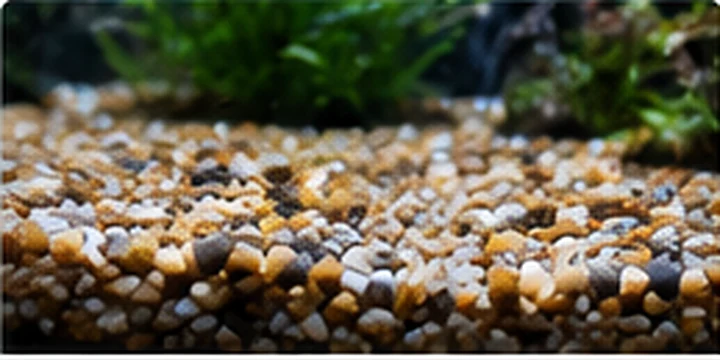
Turn tank footprint and bed depth into litres and an estimated product weight.
Use calculator →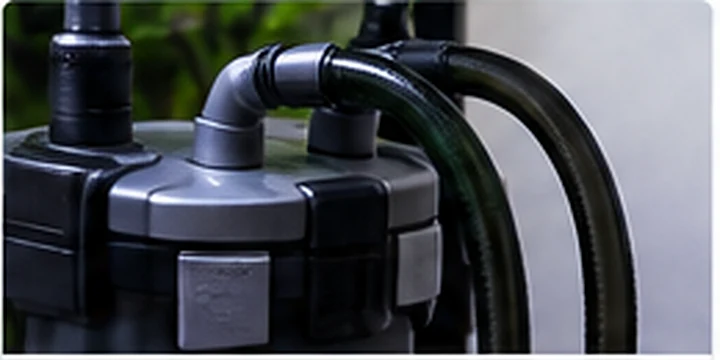

See a labelled manufacturer reference band and the limitations around it.
Use calculator →
Glass thickness, the normal waterline, substrate, rock, wood and internal equipment all reduce the water present. That matters when you calculate percentage water changes, compare filter flow, estimate water mass or interpret equipment instructions.
The site keeps gross geometric volume and estimated usable water separate. You can see which value is measured, which is calculated and which is only a scenario assumption.
The articles focus on measurement, assumptions, worked examples and the point where arithmetic stops and fishkeeping judgement begins.
Internal dimensions, waterline, substrate and the numbers worth writing down once.
Open guide →Why nominal tank size and the water actually present can both be valid but different numbers.
Open guide →Build a component ledger rather than counting the water and forgetting the rest.
Open guide →Understand volume, rated flow, real installation conditions and species-sensitive current.
Open guide →Avoid one of the easiest aquarium unit mistakes when reading international advice.
Open guide →Model heater duty cycle, pumps, lighting hours and your own electricity tariff.
Open guide →Every core result can be checked by hand.
Displacement, duty cycle and turnover targets are visible inputs.
Welfare and manufacturer claims link to recognised sources rather than being invented.
Geometry does not pretend to diagnose disease, certify a floor or replace species-specific care.
For husbandry and welfare context, the site links to recognised organisations such as the RSPCA and OATA. For product-specific examples, the manufacturer source is identified. The calculators themselves use transparent arithmetic that can be reproduced independently.

Real water volume is the input that feeds several other useful calculations. Measure the internal length, width and actual water height, then use the result for water-change arithmetic, filter-flow comparison and water-mass estimates.