Aquarium planning

Aquarium volume calculator

Calculate tank water volume from internal dimensions and see the formula behind the result.

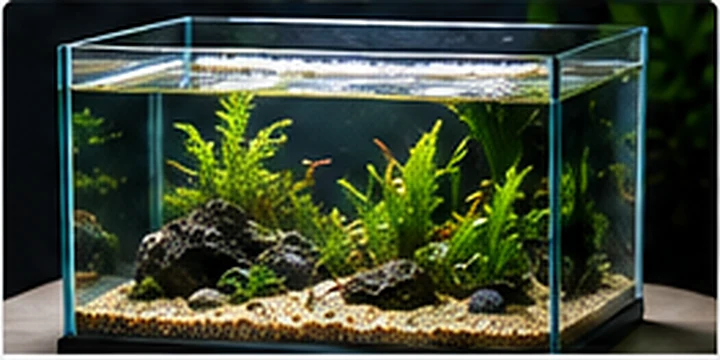
Photorealistic image of a planted freshwater aquarium used for tank-volume planning

Calculate gross and usable water

Live result

Use internal dimensions where possible and measure to the real water line. The calculator first calculates the geometric water-space volume, then applies only the displacement percentage you choose. It does not hide a universal deduction in the code.

Formula and worked example

For a rectangular aquarium, centimetres are convenient because one litre equals exactly 1,000 cubic centimetres. A 90 × 35 × 40 cm internal water space is 126,000 cm³, or 126 litres. A 10% scenario allowance produces 113.4 litres of estimated usable water.

litres = length cm × width cm × water height cm ÷ 1,000
Photorealistic image of a planted freshwater aquarium used for tank-volume planning

Measure the internal water space rather than relying only on the outside dimensions or the model name.

What the deduction means

Substrate, rock, wood, internal filters and the unfilled space at the top all reduce the volume of water present. Their combined displacement varies widely. A bare-bottom holding tank may lose very little; a heavily scaped aquarium can lose much more. Use the percentage as a scenario, not as a physical measurement.

What volume cannot tell you

Volume is useful for water-change arithmetic, comparing pump flow, estimating water mass and interpreting product instructions. It is not enough on its own to decide fish compatibility or a precise stocking number. Adult size, behaviour, water quality, oxygenation and maintenance still matter.

For welfare decisions, pair the number with species-specific care information and water-quality testing.

Accuracy checklist before you trust the number

Measure inside the glass

External dimensions include glass thickness, trim and framing. If the manufacturer publishes an internal capacity, compare your result with that figure as a sense-check.

Use the real water line

Many aquariums are not filled to the top edge. Measure the water depth you actually run rather than the full height of the glass.

Treat displacement separately

Substrate, rock, wood and internal equipment occupy space. A percentage allowance is useful for scenarios, but it is not a measured value unless you have established the displacement of your own setup.

Keep the gallon systems labelled

A UK imperial gallon and a US liquid gallon are different sizes. The calculator shows both so that a product manual or forum post can be interpreted without guessing.

Worked examples

Internal water spaceGross litresUK galUS gal
60 × 30 × 30 cm54.0 L11.914.3
90 × 35 × 40 cm126.0 L27.733.3
120 × 40 × 50 cm240.0 L52.863.4

Those are geometric examples only. A real aquarium can contain less water because of the waterline, substrate and hardscape. That is why this page keeps the gross result and the user-selected usable-water estimate separate.

Common questions

Should I use the advertised tank size for water changes?

For rough planning it can be a starting point, but a percentage water change is more meaningful when it is based on the water actually in the aquarium. Internal dimensions and the real water line give you a better basis.

Why does my calculation differ from the manufacturer label?

Model names are often rounded or based on external dimensions or nominal capacity. Glass thickness, trim and the normal fill line can all create a difference.

Does one litre of aquarium volume equal one kilogram?

Fresh water is close to one kilogram per litre for ordinary planning, but the complete installation weighs more because the glass, cabinet, substrate, rocks and equipment also contribute.